

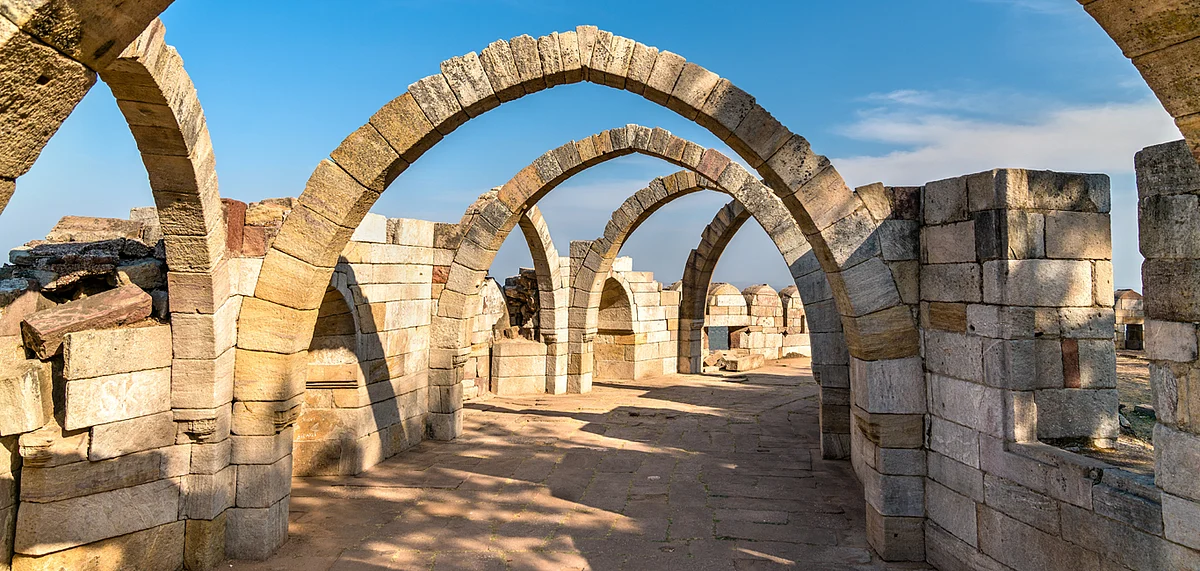
There are 42 World Heritage Sites in India and that makes it a great option to seek out world heritage clusters. Get a glimpse of the most important sites in terms of preserving culture and heritage in this article.
Humayun's Tomb, Delhi
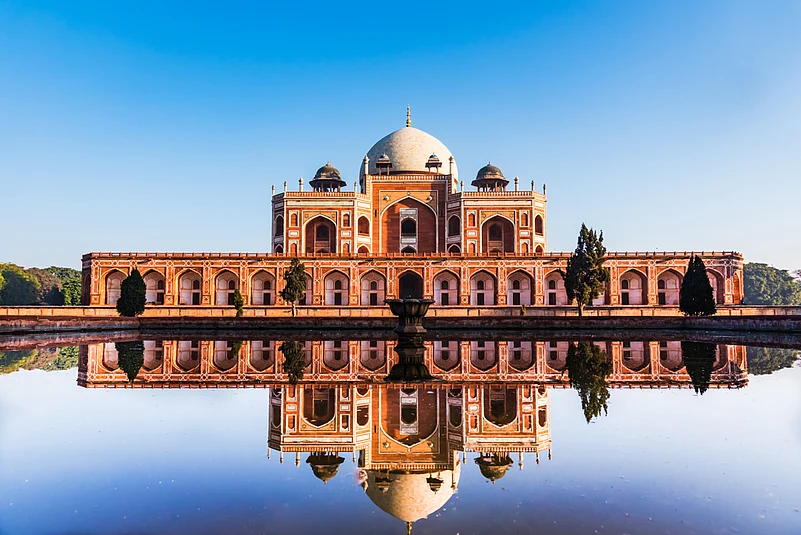

Built in the 16th century, Humayun's Tomb is also known as Necropolis of the Mughal dynasty. The site was built for Emperor Humayun by his widow and along with his tomb, the site holds 150 more tombs that belong to the members of the royal family. The site was given the status of a UNESCO World Heritage Site in 1993.
Qutab Minar Complex, Delhi
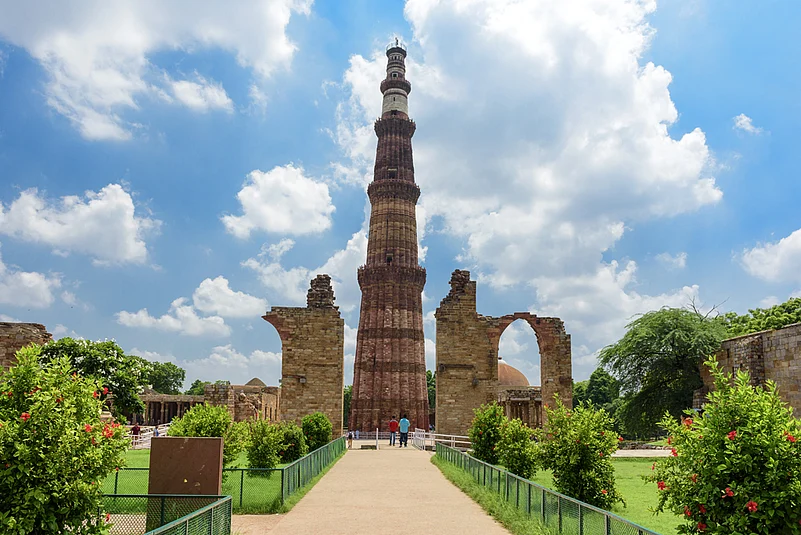
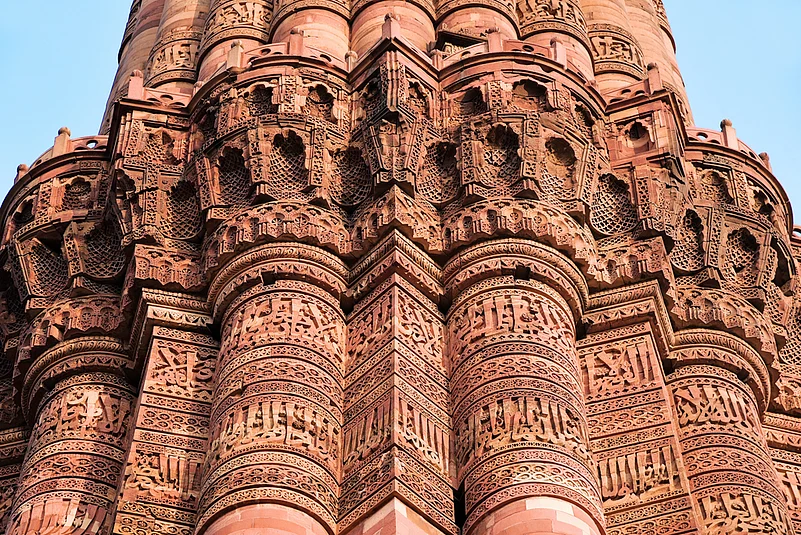
Also to make it to the list of World Heritage Sites in India by UNESCO in 1993 is the towering Qutab Minar and other structures inside the complex. Standing over 72 metres, the tower was built in the 13th century and is an architectural marvel.
Red Fort Complex, Delhi - This red sandstone palace fort is an interesting mix of architectural design inspired from India and Persia. It gained the status of a UNESCO World Heritage Site in 2007 because of its unique architectural design.
Champaner-Pavagadh Archaeological Park, Gujarat
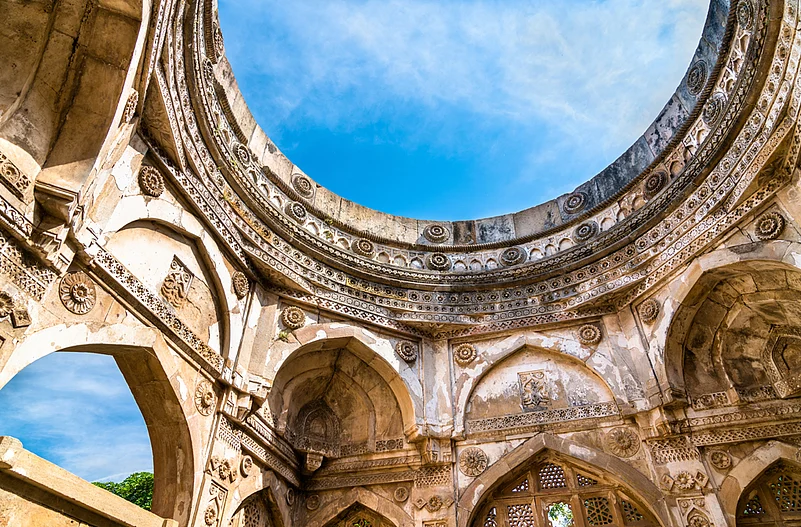
This park sits on a prehistoric site and still has a lot to be excavated. Due to this, the site gained the status in 2004. The site is a beautiful combination of a chalcolithic site, a hill fortress and the remainder of the erstwhile capital of Gujarat from the 16th century.
Rock Shelters of Bhimbetka, Madhya Pradesh
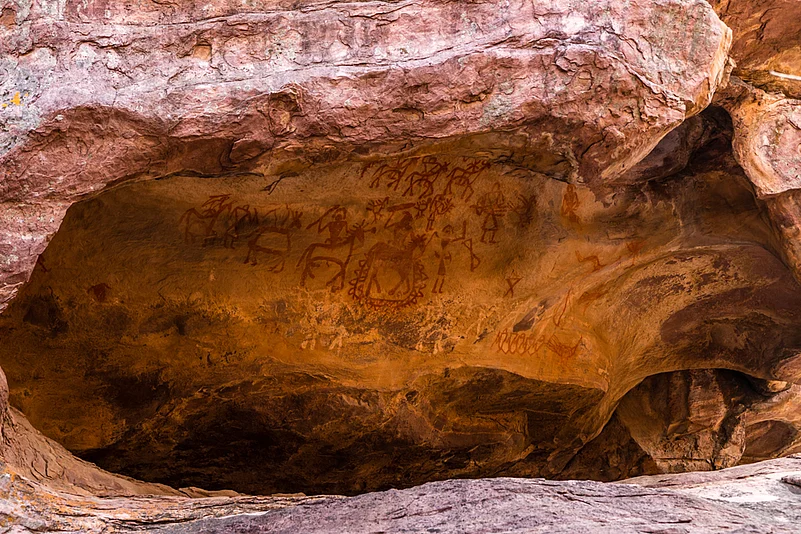
The site was inscribed as one of the UNESCO World Heritage Sites in India in 2003. What makes this site important are the rock paintings on the sandstone formations dating back to the Mesolithic period.
Chhatrapati Shivaji Terminus, formerly Victoria Terminus
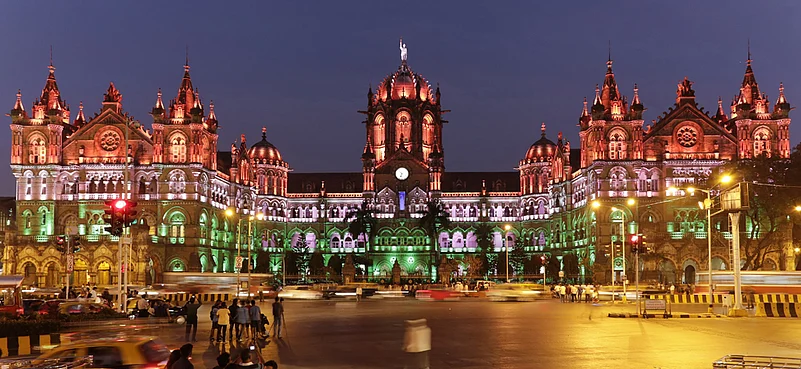
This ever-busy railway station is one of the most popular icons of Mumbai. Also the headquarters for the Central Railways in India, the grand railway station gained the status in 2004. It was originally named as Victoria Terminus and is designed in the grand Gothic architectural style.
Jantar Mantar, Jaipur
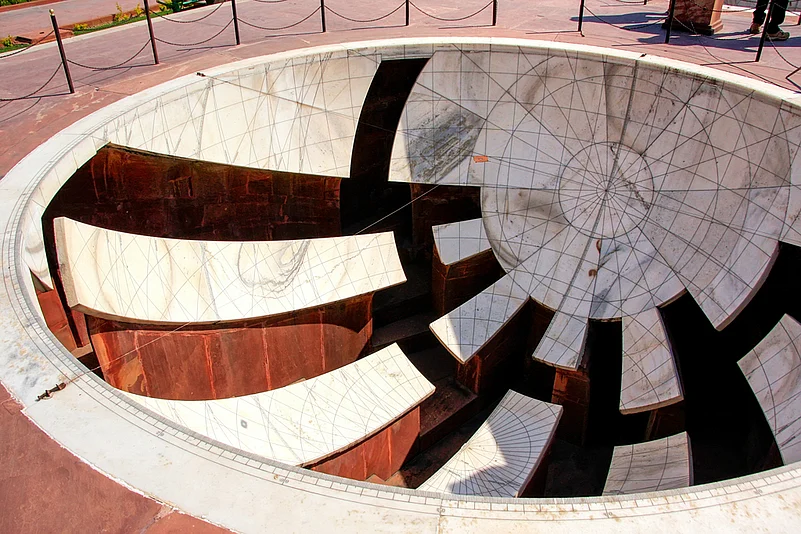
The site holds a collection of astronomical instruments in the form of architecture. Thr Jantar Mantar is one of the best preserved similar structures (five in total) in the whole of India. Looking at these structures, one could only wonder the kind of astronomical skills and the understanding of the cosmos, during that time. It gained the status in 2010.
Agra Fort
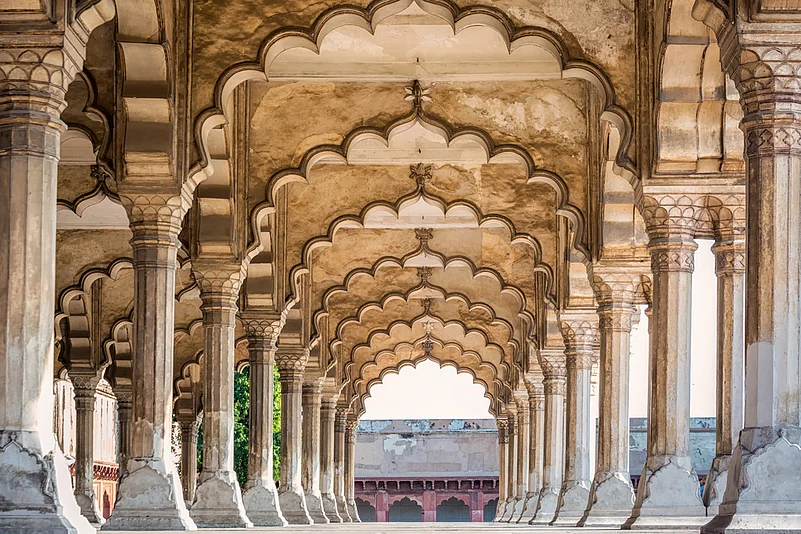
The Agra Fort is also also referred to as the Red Fort, not to be confused with the aforementioned one. In 1983, it found its way to the list of UNESCO World Heritage Sites in India.
Fatehpur Sikri, Uttar Pradesh
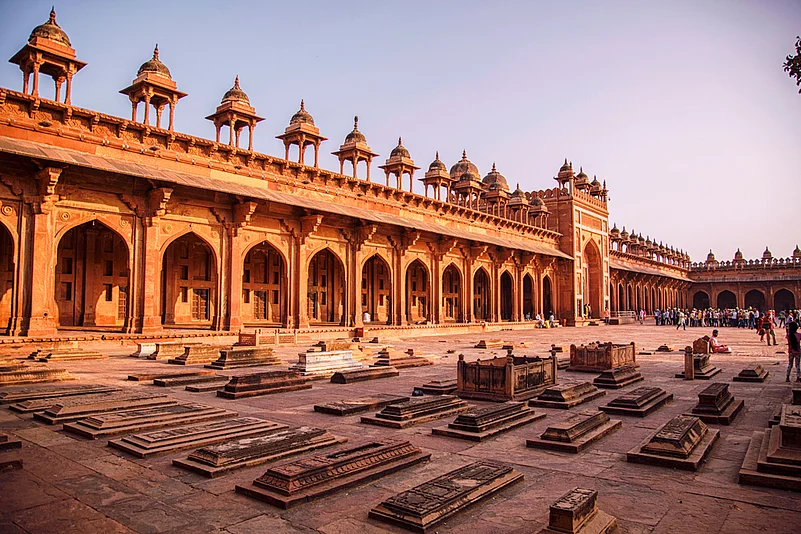
Located in Agra, this city was at first abandoned due to political unrest. But slowly new city walls were built which led to the construction of palaces, mosques and other important buildings. It didn't take too long for it to gain another name - 'City of Victory'. Fatehpur Sikri got the world heritage status in 1986.
Taj Mahal, Agra
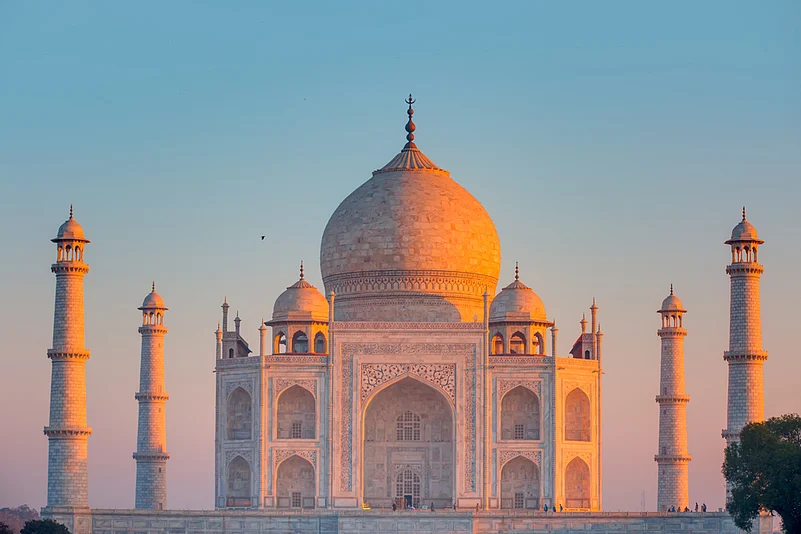
Everybody recognises Taj Mahal and why not, when it is one of the most beautiful structures in the whole world! Taj Mahal was commissioned in 1631 by Emperor Shahjahan in memory of Mumtaz Mahal. The structure is made our of white marble, looks spectacular any day, any time. The site made it to the list of UNESCO World Heritage Site in 1983.
Mountain Railways of India
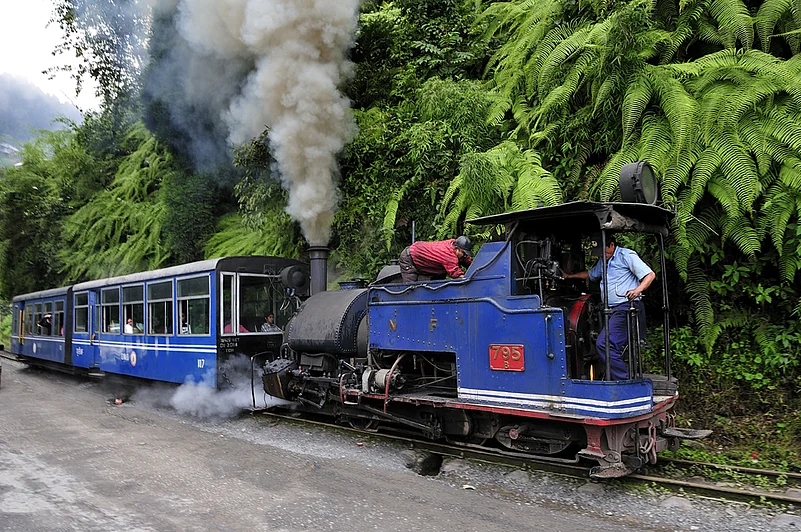
There are three railway lines that make up the mountain railways of India. They are the Darjeeling Himalayan Railway, Nilgiri Mountain Railway and the Kalka-Shimla Mountain Railway. Collectively they come under the UNESCO World Heritage Site (1999, 2005 and 2008).
Hill Forts of Rajasthan
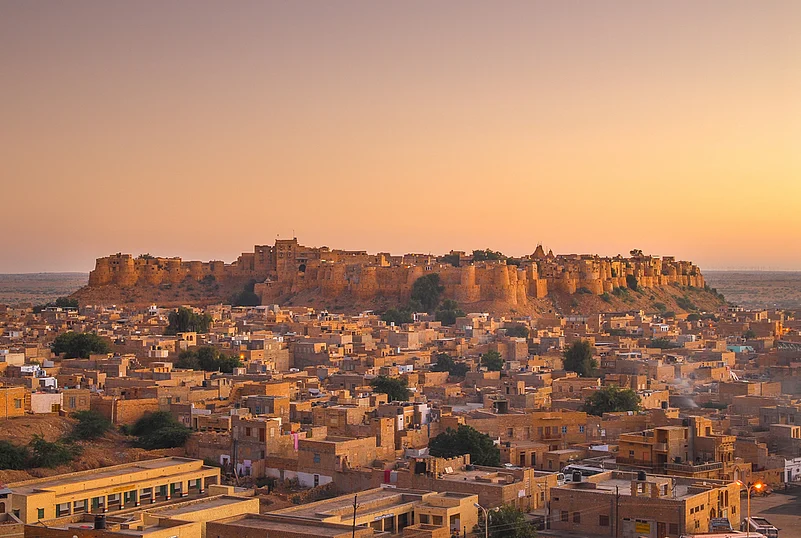
This is comprised of six forts in total - Chittorgarh Fort, Kumbhalgarh Fort, Ranthambore Fort, Gagron Fort, Amber Fort and Jaisalmer Fort. These date back to 5th century AD and the pride of the Aravalli Range in Rajasthan. They made it to the list of UNESCO World Heritage Sites in 2013.
Rani ki Vav - The Queen's Stepwell, Ahmedabad
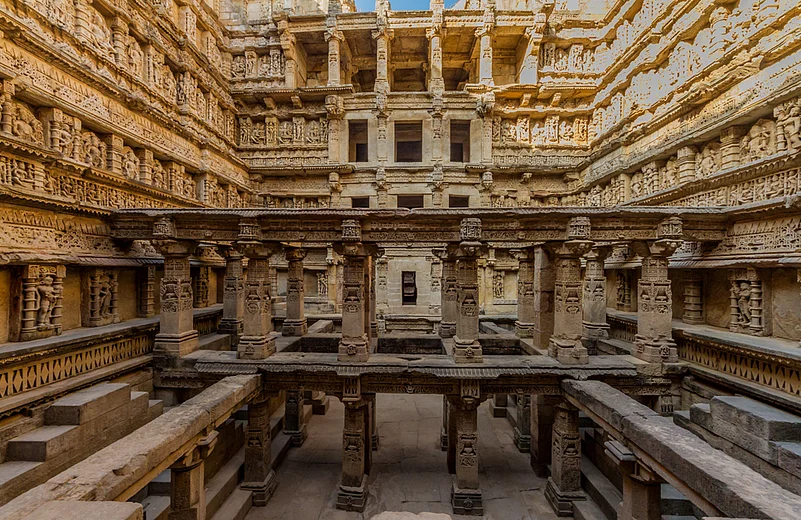
This site is located in Patan and is popular because of its intricate design. It is constructed near Saraswati River and is a subterranean water storage system. The step well dates back to the third millennium BC. Look around for other breathtaking sculptures found within the property. It gained the status of UNESCO World Heritage Site in 2014.
Nalanda, Bihar
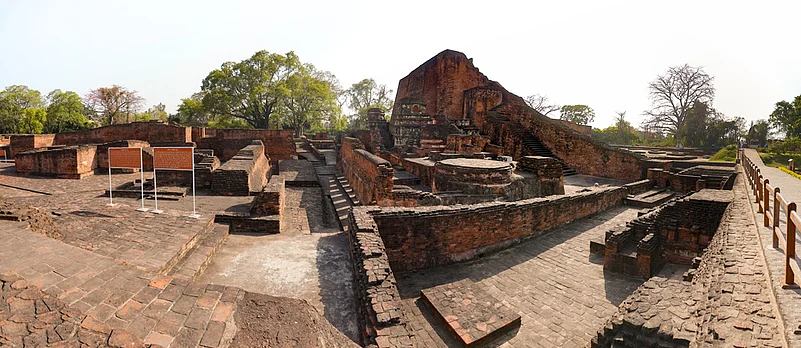
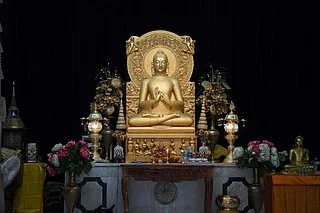
Nalanda dates back to the third century BC. It was an erstwhile scholastic and monastic institution where Buddhism as a religion developed. Here you will find early Buddhist art works, stuccoes, stupas, shrines and viharas. Nalanda made it to the list in 2016.
The Architectural Works of Le Corbusier
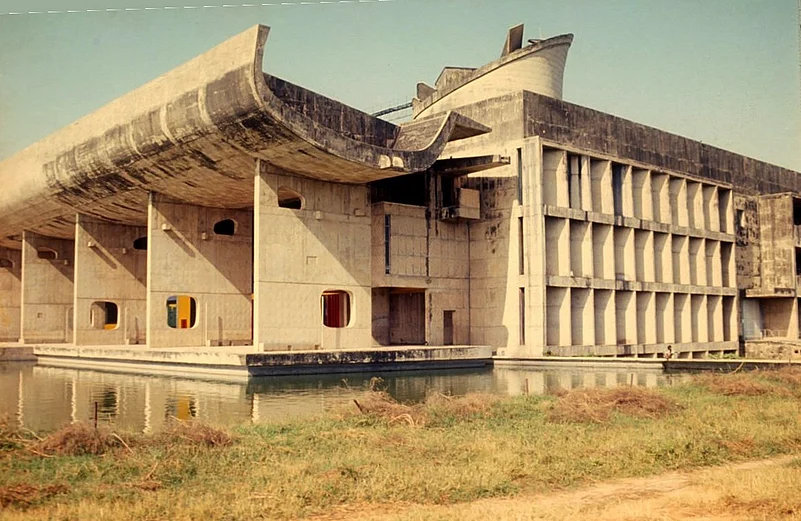
This is a collection of properties spread across 17 sites in 7 different countries. Chandigarh is the best example we have in India. The city was planned and designed by the Swiss-French architect Le Corbusier. It gained the status in 2016.
Historic City of Ahmedabad
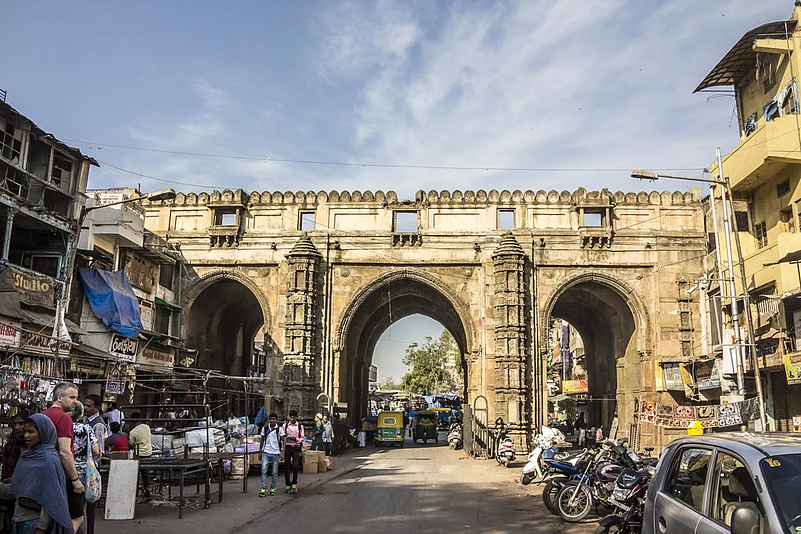
The Historic City is the erstwhile walled quarter which used to be an important political and commercial center of Gujarat. It gained the status in 2017.
Victorian and Art Deco Ensemble of Mumbai
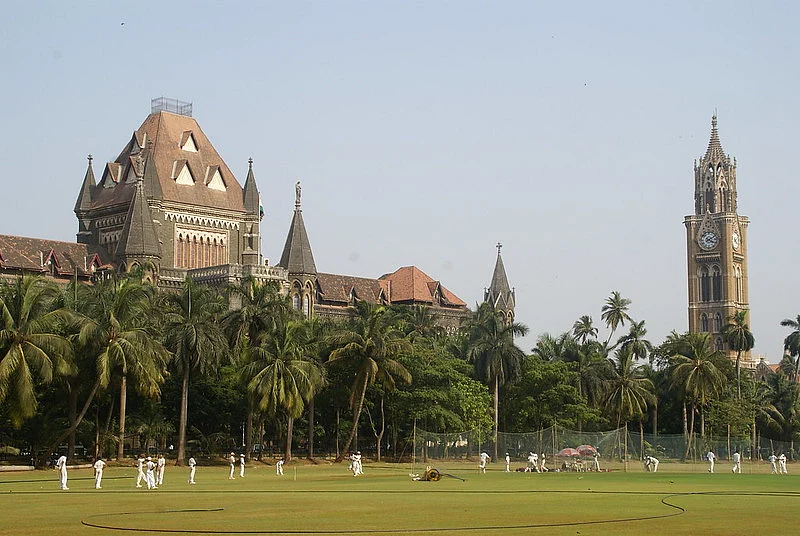
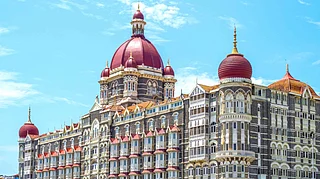
The Victorian Gothic and Art Deco Ensemble of Mumbai is the most recent one to make it to the list of UNESCO World Heritage Sites in India (2018). It is a collection of Victorian Neo Gothic architectures dating back to the 19th century and 20th century Art Deco buildings in the Fort area of Mumbai.
There are many more items of cultural and historic importance on the list like Dholavira in Gujarat, Santiniketan in West Bengal, Hoysala Temples in Karnataka, Temples of Lepakshi, Hampi - the erstwhile seat of Vijaynagar, and Cluster of temples in Tamil Nadu.